
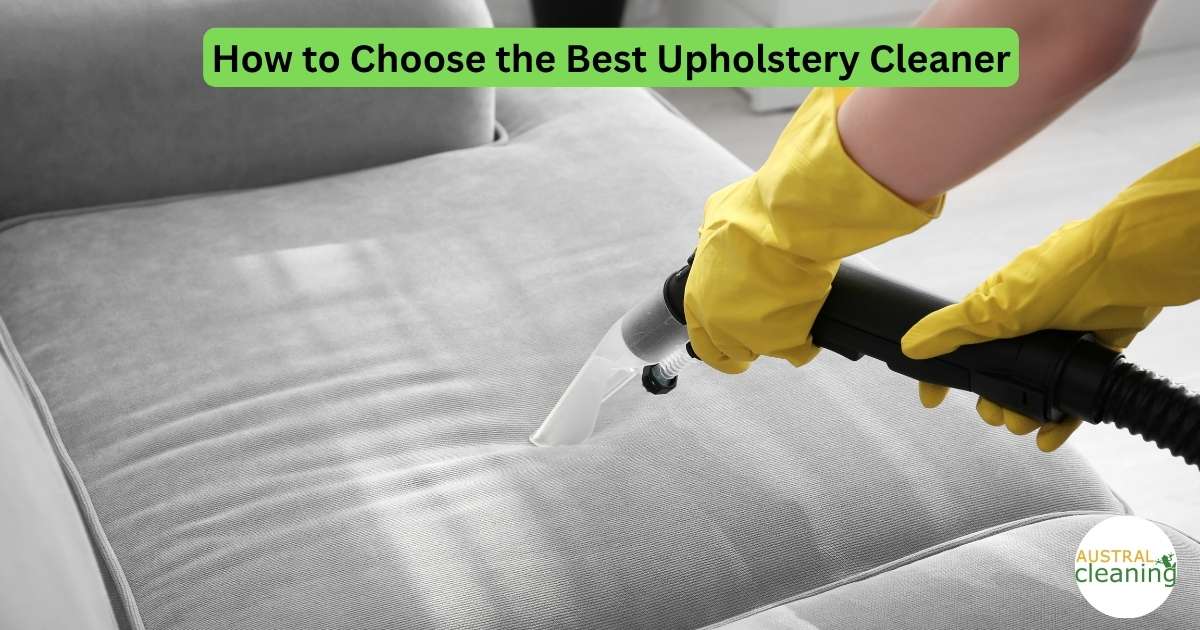
Choosing the right upholstery cleaner can be a daunting task. With so many options available, it’s easy to feel overwhelmed.
Upholstery cleaning is essential for maintaining your furniture’s appearance and longevity. It can also improve indoor air quality.
Different types of upholstery cleaners serve different purposes. Some are designed for deep cleaning, while others are for spot treatments.
Understanding the various types of cleaners is crucial. This knowledge helps you select the best one for your needs.
Consider the fabric type and the nature of the stains. These factors will guide your choice of cleaner.
Eco-friendly options are available for those concerned about the environment. They offer effective cleaning without harmful chemicals.
Professional cleaning services can be beneficial for tough stains. They also provide regular maintenance to keep your furniture looking new.
This guide will help you navigate the world of upholstery cleaners. You’ll learn how to choose the best one for your home.
Understanding Different Types of Upholstery Cleaners

Upholstery cleaners come in many forms to suit different cleaning needs. Understanding these types can help you choose the right one.
Spray cleaners are common and ideal for spot cleaning. They’re easy to use and convenient for quick fixes.
Foam cleaners penetrate deeper than sprays. They work well on fabric surfaces and can handle stubborn stains.
Steam cleaners are versatile tools for deep cleaning and sanitizing. They can be used on upholstery, rugs, and carpets.
Professional cleaning solutions are another option. These are often used for more thorough cleaning and tough stains.
Here’s a quick breakdown of common upholstery cleaner types:
- Spray Cleaners: Great for spot cleaning.
- Foam Cleaners: Effective for deeper cleaning.
- Steam Cleaners: Ideal for sanitizing.
- Professional Solutions: Best for thorough cleaning.
Couch Cleaners vs. Sofa Cleaners
You might wonder if there’s a difference between couch and sofa cleaners. Technically, a couch is a less formal term for a sofa, but cleaners are designed similarly for both.
The main considerations are fabric type and the nature of the stains. This will impact your choice more than the terminology.
When selecting a cleaner, keep these key factors in mind:
- Type of fabric or material.
- Specific stains or dirt on your furniture.
Whether you’re dealing with a couch or sofa, the right cleaner will make a noticeable difference.
Upholstery Steam Cleaners
Steam cleaners are popular for deep cleaning upholstery. They use hot steam to remove dirt, stains, and even bacteria.
These machines are versatile and can be used on fabric furniture and carpets. They offer a chemical-free way to clean.
When choosing a steam cleaner, consider these features:
- Steam temperature and pressure levels.
- Tank capacity and heating time.
- Compatibility with different surfaces.
Steam cleaners are a valuable addition to any cleaning routine, providing effective and hygienic results.
Fabric Cleaners and Their Effects on Different Materials
Different fabrics require different cleaning methods. Using the wrong cleaner can damage your furniture.
It’s essential to read labels and understand your furniture’s material. Fabric cleaners are formulated to handle different types of upholstery.
Here are some materials and suitable cleaning methods:
- Cotton: Use water-based solutions.
- Leather: Requires special leather cleaning products.
- Microfiber: Best cleaned with a gentle detergent solution.
Choosing the right fabric cleaner ensures the longevity and appearance of your upholstered items. Always test a small area first.
Factors to Consider Before Purchasing
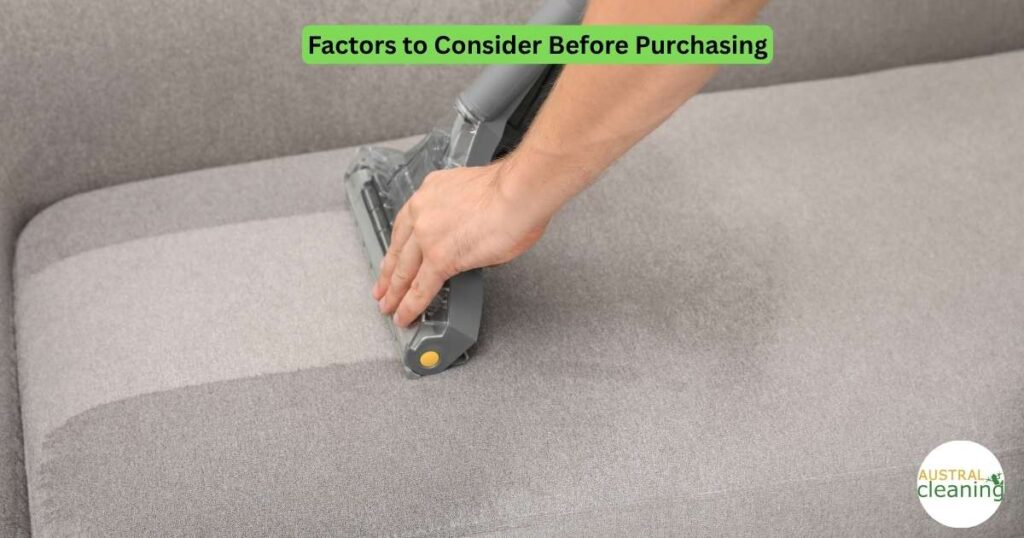
Choosing the right upholstery cleaner involves considering various factors. It’s not a one-size-fits-all decision.
Think about the types of stains you deal with most frequently. This will influence the type of cleaner you need.
Consider your upholstery material as different fabrics require different cleaning agents. Researching this beforehand can save time and avoid damage.
The environmental impact of the product should also be a consideration. Eco-friendly options are now widely available.
Finally, the cost is always a factor. Balancing your budget with product effectiveness is crucial.
Key factors to keep in mind:
- Stain types and frequency.
- Upholstery material compatibility.
- Environmental considerations.
- Cost-effectiveness and budget.
Cleaning Efficiency
The cleaning efficiency of your chosen product is critical. You want a cleaner that effectively removes stains without much effort.
Check if the cleaner can handle specific types of dirt, like pet stains or wine spills. Versatility in handling multiple stain types is a bonus.
Also, consider the time taken for visible results. A quick-action formula can be a great time-saver.
Look for:
- Ability to tackle common stains.
- Quick and visible cleaning results.
- High user satisfaction ratings.
Compatibility with Your Furniture Fabric
Different upholstery materials require unique cleaners. Using the wrong one can damage your furniture.
Identify the material of your furniture first. Common materials include leather, cotton, and microfiber.
For delicate fabrics, mild cleaners are recommended. More robust materials might handle stronger products.
Check these before purchasing:
- Your furniture fabric type.
- Compatibility with cleaner ingredients.
- Recommendations for specific materials.
Ease of Use and Storage
Ease of use is a significant factor when selecting an upholstery cleaner. Look for products that offer straightforward application processes.
Consider options with ergonomic designs. For instance, spray bottles with comfortable grips make cleaning less tiring.
Storage is another concern, especially if space is limited at home. Compact cleaners are ideal if storage room is scarce.
Evaluate these aspects:
- Simple application methods.
- Ergonomic design features.
- Compact size for easy storage.
Top Features to Look For
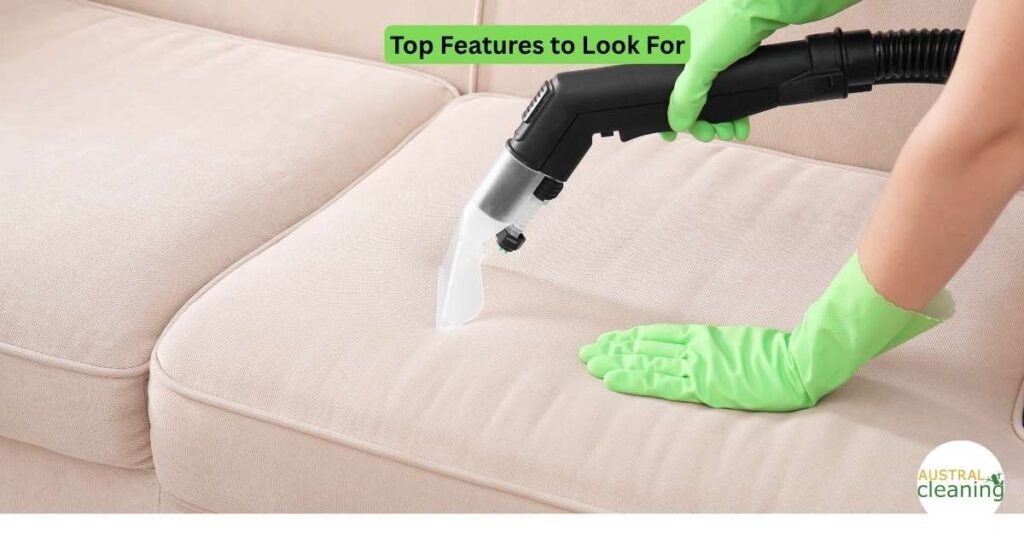
When selecting an upholstery cleaner, consider certain essential features. These can enhance your cleaning experience significantly.
A versatile cleaner can handle various tasks beyond simple stain removal. It’s useful to have one product that tackles multiple challenges.
Safety and eco-friendliness are increasingly important. Many consumers prefer biodegradable products with non-toxic formulas.
Additional attachments or accessories can greatly improve a cleaner’s functionality. These can help with spot cleaning or reaching difficult areas.
Prioritize these features:
- Multipurpose functionality.
- Eco-friendly and safe ingredients.
- Useful attachments and add-ons.
Versatility in Applications
A versatile upholstery cleaner saves you time and money. It can handle various types of furniture and stains.
Look for cleaners that work on different materials, like leather and fabric. This makes them a smart investment for diverse furniture.
Some cleaners also work on other surfaces, such as carpets or car interiors. This adds to their value.
- Function on multiple furniture materials.
- Can also be used on carpets or car interiors.
- Handle diverse stain types effectively.
Eco-Friendliness and Safety
Eco-friendly cleaners are kind to the environment and your health. They reduce chemical exposure in your home.
Biodegradable products break down more quickly, making them environmentally responsible choices. Non-toxic formulas ensure safety for kids and pets.
Check labels for safety certifications and eco-friendly ingredients. Doing so enhances your green cleaning credentials.
Seek out:
- Biodegradable and non-toxic formulas.
- Labels indicating safety certifications.
- Products free from harsh chemicals.
Attachments for Specific Cleaning Jobs
Attachments can tailor your cleaning tool to specific jobs. They add flexibility and precision to your cleaning efforts.
Special nozzles help reach tight spaces or corners, enhancing cleaning effectiveness. Brush attachments can be useful for dealing with tougher stains.
Some cleaners come with detachable parts for easier cleaning of various surfaces. This adaptability can be crucial for thorough cleanliness.
Look for attachments like:
- Nozzles for hard-to-reach areas.
- Brushes for stubborn stains.
- Detachable parts for versatile cleaning.
Comparison of Professional vs. DIY Upholstery Cleaning
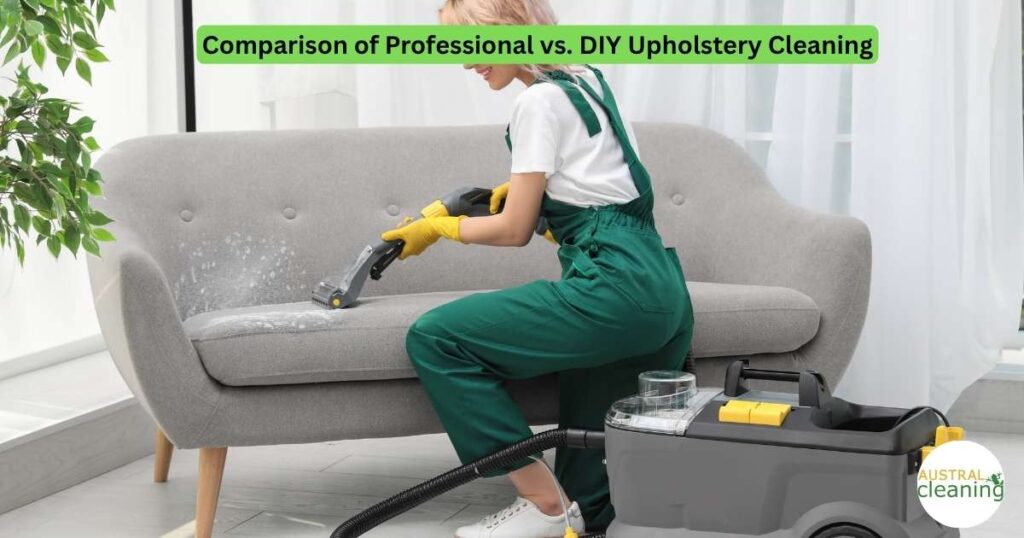
Choosing between professional and DIY upholstery cleaning depends on your needs and situation. Each approach has its benefits and drawbacks.
Professional cleaning often yields superior results. Experts have the knowledge and tools for tackling deep stains and refreshing fabrics.
DIY methods can be cost-effective and convenient. They provide flexibility, allowing you to clean whenever it’s convenient for you.
You may opt for professional services occasionally and maintain furniture yourself in-between. Combining these methods can save money and extend furniture life.
Evaluate these factors when deciding:
- Budget and time availability.
- Stain severity and fabric type.
- Personal cleaning preferences.
Benefits of Professional Couch Cleaning
Professional upholstery cleaning offers several advantages. Experts use specialized equipment that achieves thorough and efficient results.
These professionals are adept at dealing with stubborn stains and delicate fabrics. Their services often include deep cleaning and sanitizing upholstery.
Benefits include:
- Access to advanced cleaning tools.
- Thorough stain removal and sanitization.
- Expertise in handling sensitive materials.
Cost-Effectiveness of Home Solutions
DIY upholstery cleaning is an attractive option for budget-conscious individuals. Initial costs are lower, as you typically purchase affordable household cleaners.
Home cleaning solutions offer flexibility, letting you tackle stains as they occur. With patience, you can achieve satisfactory results.
For many, the savings make DIY a worthwhile venture. Key benefits are:
- Lower cost compared to professional services.
- Flexibility in cleaning schedule.
- Immediate response to stains.
When to Call in the Experts
Sometimes, calling in experts is the best option. Severe stains or delicate materials require professional handling to prevent damage.
Specialized treatments may be necessary for allergens or pet odors. Professionals ensure the job is thorough and safe.
Consider expert services when:
- Stains are particularly tough or extensive.
- Dealing with high-value or delicate upholstery.
- Needing specialized allergen or odor removal.
Tips for Maintaining Upholstery Between Cleanings
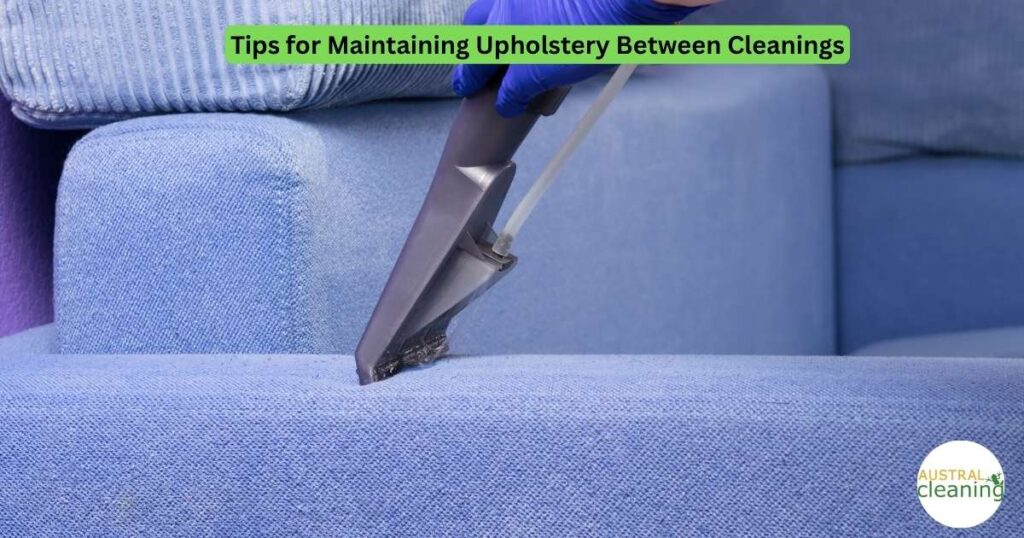
Keeping upholstery in good condition between major cleanings can extend its life and maintain its appearance. Regular attention can prevent dirt and grime buildup, which often leads to fabric deterioration.
Establish a consistent cleaning routine tailored to your furniture’s needs and fabric type. This simple step can make a significant difference in your furniture’s longevity.
Immediate action on spots and spills reduces the risk of permanent stains. Tackling marks as they appear helps preserve your upholstery’s fabric and color.
Incorporating simple habits into your daily routines can be highly effective. Small efforts can prevent the need for frequent deep cleanings.
Regular vacuuming is essential for removing dust and debris. Use a vacuum attachment designed for upholstery to avoid damaging delicate materials.
Using protective treatments like fabric guards can safeguard your upholstery. These treatments can repel liquids, making spill cleanup easier.
Regular Cleaning Routines
A regular cleaning schedule is crucial for maintaining upholstery. It helps manage dust, pet hair, and other small debris that accumulates over time.
Vacuuming weekly with an upholstery attachment maintains cleanliness. Ensure that you reach into crevices and folds where dust often settles.
Include the following in your routine:
- Weekly vacuuming.
- Monthly inspection for stains.
- Reapplying fabric protectors every few months.
Best Practices for Spot Cleaning
Spot cleaning is key for tackling unexpected spills promptly. The sooner you act, the better your chances of avoiding stains.
Always test your cleaning solution on an inconspicuous area first. This precaution prevents potential fabric discoloration or damage.
Effective spot cleaning involves:
- Blotting spills immediately, never rubbing.
- Using a suitable cleaner for your fabric type.
- Following with a clean, damp cloth to rinse.
How to Use a Couch Cleaner Spray Effectively
Couch cleaner sprays are convenient for quick touch-ups. They’re designed to handle common spills and stains efficiently.
To optimize their use, start by shaking the can thoroughly. This ensures an even distribution of the cleaning agents when sprayed.
Steps for effective use include:
- Spraying the cleaner onto a clean cloth, not directly on the fabric.
- Gently blotting the affected area to lift the stain.
- Allowing the area to dry completely without rinsing.
Leave A Comment